Our Changeprint
Our Changeprint can be measured by the number of volunteers participating in improvement and maintenance activities; the total hours of outdoor learning and Forest School sessions delivered each year (360 hours initially leading to at least 12 hours plus per child over the coming years); the total number and variety of trees and saplings planted and successfully established, with each encouraging a wider range of wildlife to the environment; progress toward achieving the Green Schools Award or similar sustainability recognition.
Our story
Aughton Town Green Primary School in Ormskirk is a large primary school with 334 pupils but with a 'small-school feel', where everyone knows each other.
Because of COVID-19 and awareness about climate change, there was a renewed focus on learning outside and the need to teach children to appreciate nature and it's importance.
We focus on developing pupils' resilience, teamwork and social skills through a Forest School approach, as well as improving our school's role in local sustainability and environmental awareness. A range of pupils across the school are able to access Forest School sessions.
We arranged a volunteer day in November 2021 with 14 parents, teachers and children to help with the work, with a clear focus on creating sustainable spaces, using natural products from the existing environment. There was no monetary cost to this day, yet the outcomes were incredible. It included the use of recycled bark from culled and pruned trees, moving existing rockery to create a natural seating area for stories and forest school activities. Land was cleared and set aside to allow for further planting within the forest. Use of the saplings, hedging and copse donated by the Woodland Trust ensures that this will become a 'nature friendly' environment for pupils and the re-siting of the bug hotel will encourage a range of nature for pupils to observe and explore. Not only will this reduce buying in materials, saving money, but also reduce greenhouse gas emissions from transportation.
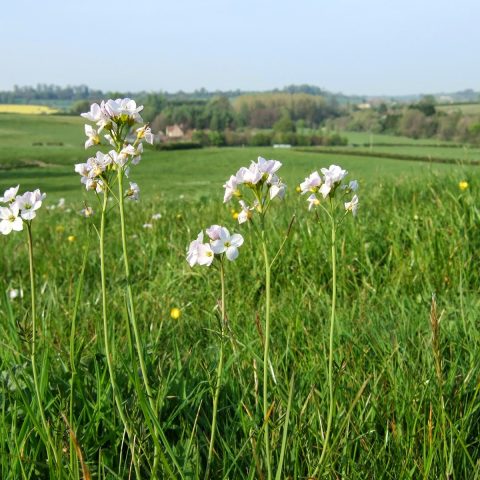
With donations of wildflower seeds from the local community, we have further developed the wildflower meadow, as well as regenerating the pond area to encourage our recent ducklings to return each season. Wherever possible, grasses and weeds are composted within our composting bins and pupils are encouraged to plant vegetables and fruit within the planters. We aim to be as self-sufficient as possible, with the water butt used to water plants and top up the pond. In addition, when having trees pruned, we keep any long sticks for den making and woodcraft.
Following the work undertaken by the volunteers, we have cleared a significant area where we now have 60 saplings planted onsite that will take in carbon dioxide to mitigate against climate change. The trees will help us to adapt by providing shade, creating new habitats and helping to reduce the risk of flooding.
Through the development of a school 'Green Team' we are able to further develop the biodiversity of the site over the coming years and work towards the Green Schools Award.
Our advice
Taking on a large area which had become overgrown and needed significant improvements to become a biodiverse environment was daunting. We were looking closely at the specific needs of our pupils post COVID, deciding as part of our School Improvement Plan to implement a forest school approach for our learners. The development of our site was key, as we could not begin to improve these outcomes until it was accessible and useable.
Yearly maintenance of our trees meant that pruning and culling of some trees was necessary, but gave us a good starting point for our project. To help us on our way, we have a forward-looking site-management plan to ensure that we create an environment for both today and the future. The land site is over half an acre so one of these elements involves segmenting the area down into manageable sections so change can be seen quickly, keeping volunteers enthused.
Our key focus is to ensure that the site remains sustainable. We want to ensure that wherever possible, only natural materials are used and that we recycle as much from the environment as possible.
With limited time and the availability of Woodland Trust trees, we looked to enlist volunteers to focus on two key areas of the site initially - the area designated for tree planting and a site which had become overgrown and disused. It was not clear how the site could be used but a rockery could be seen beneath the growth.
We had a number of volunteers - numbers on the first day were great and the teamwork of parents, grandparents, staff and children meant that we could make significant changes to two areas. We over ran with time as the enthusiasm to get the project finished was infectious and we were all delighted with the end result. Everyone was working towards the same end goal and supported each other. Consequently, all of the volunteers have identified the next area and are keen to push on to improve it further. We requested volunteers bring their own tools and gloves due to Covid and it meant we did not need to resource this further.
We are now looking at other grants and funding sources to develop our larger seating areas and continue to work with the local community to improve our area for the future.